APG on Sport & Physical Recreation Highlights Safeguarding, Homelessness and Inclusion at October Meeting
The All Party Group (APG) on Sport & Physical Recreation met at Parliament Buildings on 6 October to discuss the vital role sport plays in safeguarding participants, supporting vulnerable communities, and ensuring inclusive opportunities for everyone across Northern Ireland.
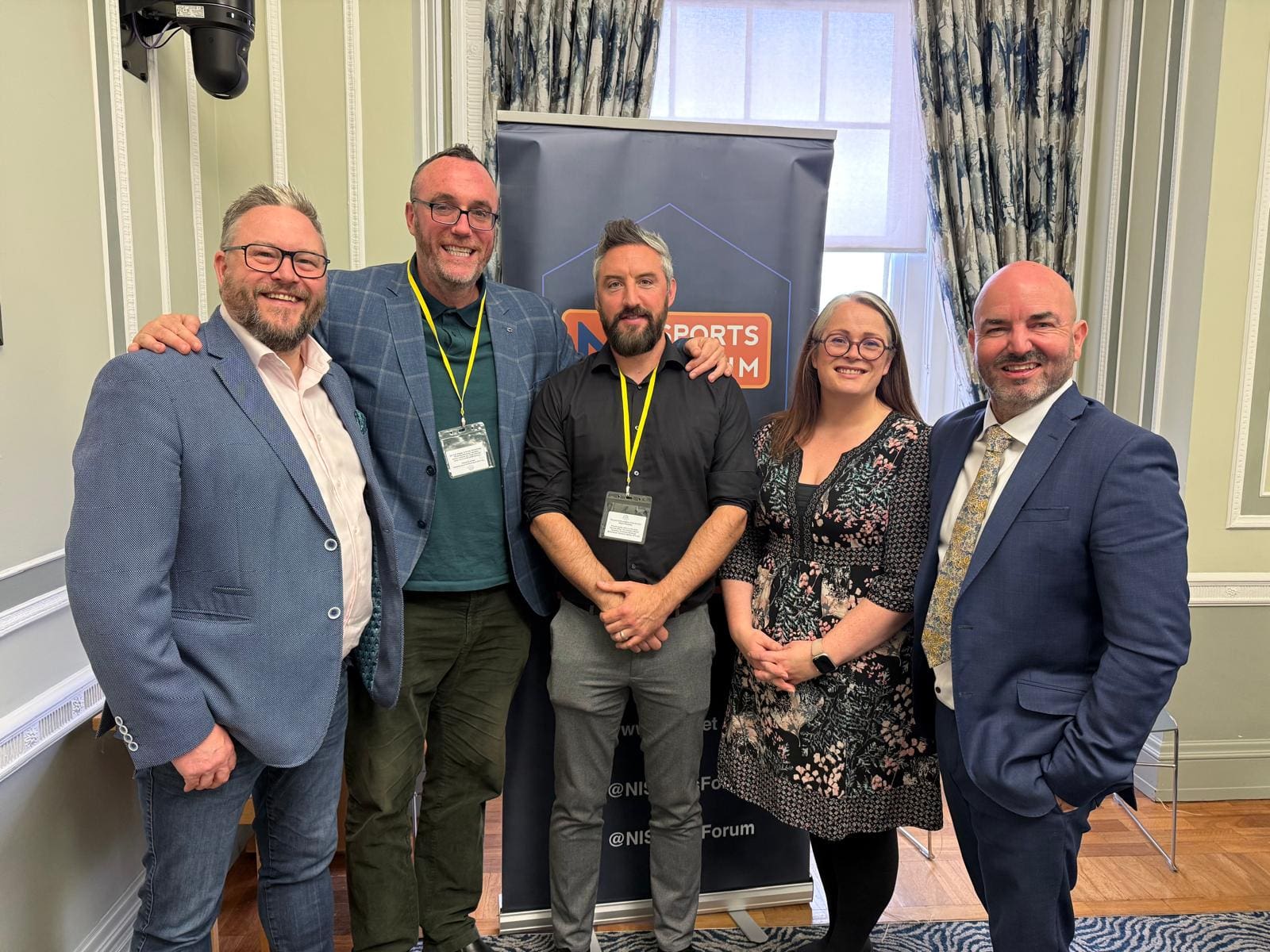
Chaired by David Honeyford MLA and Stephen Dunne MLA the meeting brought together Assembly Members and representatives from across the sporting and voluntary sectors to hear presentations from Volunteer Now, Street NI and Fair Game Social Enterprise.
Safeguarding at the Heart of Sport
The Group heard from Claire Maddison and Aoife Cunningham of Volunteer Now about the organisation’s new Adult Safeguarding Service, currently supporting 49 sports governing bodies through guidance, training, policy development and safeguarding resources.
Members welcomed the progress being made to strengthen safeguarding practices across sport and discussed the importance of embedding safeguarding as a core element of organisational culture and governance. There was broad recognition of the need for continued awareness, support and investment to ensure safe sporting environments for all participants.
Sport Creating Pathways Out of Homelessness
The APG also heard from Justin McMinn, Chief Executive of Street NI, who outlined how sport is being used as a powerful tool to engage people experiencing homelessness, social exclusion and significant life challenges.
Members learned about the organisation’s work in providing access to housing support, education, employability programmes, health and wellbeing services, and community integration initiatives. The Group welcomed Street NI’s ambitious strategy for growth and its commitment to supporting more individuals into stable housing while expanding participation opportunities across Northern Ireland.
Focus on LGBTQI+ Inclusion in Sport
The final presentation was delivered by Martin Murray of Fair Game Social Enterprise, who highlighted the barriers that LGBTQI+ individuals can face in accessing and participating in sport and physical activity.
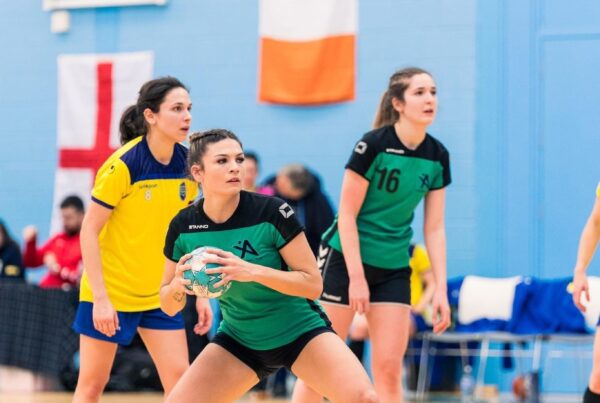
Members discussed participation levels, equality and inclusion responsibilities, leadership within sport, and the need to ensure that inclusive practices are embedded from grassroots through to governing body level. The Group noted examples from other jurisdictions and considered how Northern Ireland can further strengthen its approach to LGBTQI+ participation and inclusion.
As a result, the APG agreed to seek further engagement to clarify current Equality, Diversity and Inclusion structures, understand leadership arrangements relating to LGBTQI+ participation, and gather information on future research and policy development in this area.
The next meeting of the APG on Sport & Physical Recreation is expected to take place in December 2026.